India Climate Week (ICW) 2025 served as a groundbreaking platform for climate action, uniting policymakers, industry leaders, sustainability experts, and global stakeholders. Through its multi-faceted approach—ranging from policy development to industry-driven solutions—ICW 2025 successfully catalyzed collaborative action on climate change. Throughout the week, high-level panels, capacity building workshops, site visits and multi-stakeholder dialogues advanced the goals of climate mitigation, adaptation, and sustainable development.
The event demonstrated that climate action is not just about individual efforts but requires a collective, cross-sectoral commitment to building a sustainable future. With its ambitious initiatives and strategic partnerships, India Climate Week 2025 set a precedent for global climate cooperation and innovation.
Thanking our Partners and Sponsors
Supported by


Supported by

State Partner

Gold Sponsors

Silver Sponsor
Technical Partner
Sustainability Partner
Highlights of ICW 2025:
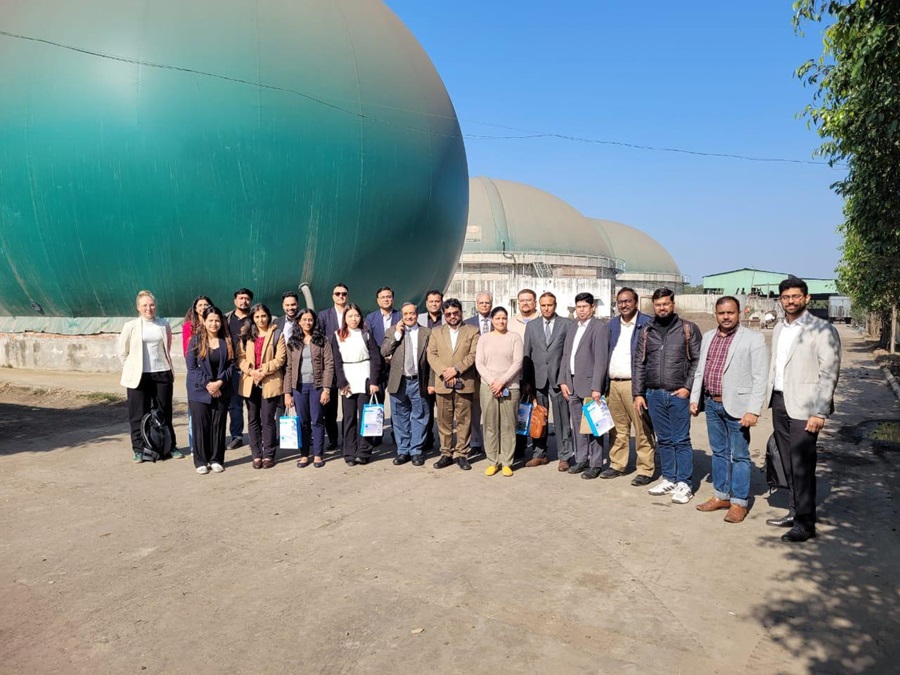
Day 1– India Climate Week 2025 commenced with a site visit to explore the Article 6 technology - CBG
The week kicked off with a site visit to a state-of-the-art multi-feedstock CBG (Compressed BioGas) plant in Hapur, Uttar Pradesh. Delegates were introduced to the immense potential of CBG technology, an Article 6 technology, in transforming organic waste into renewable energy, showcasing its pivotal role in waste management and greenhouse gas emission reduction.
Day 2 & 3 – Featured Panel Discussions and Masterclass on Global & Indian Carbon Markets
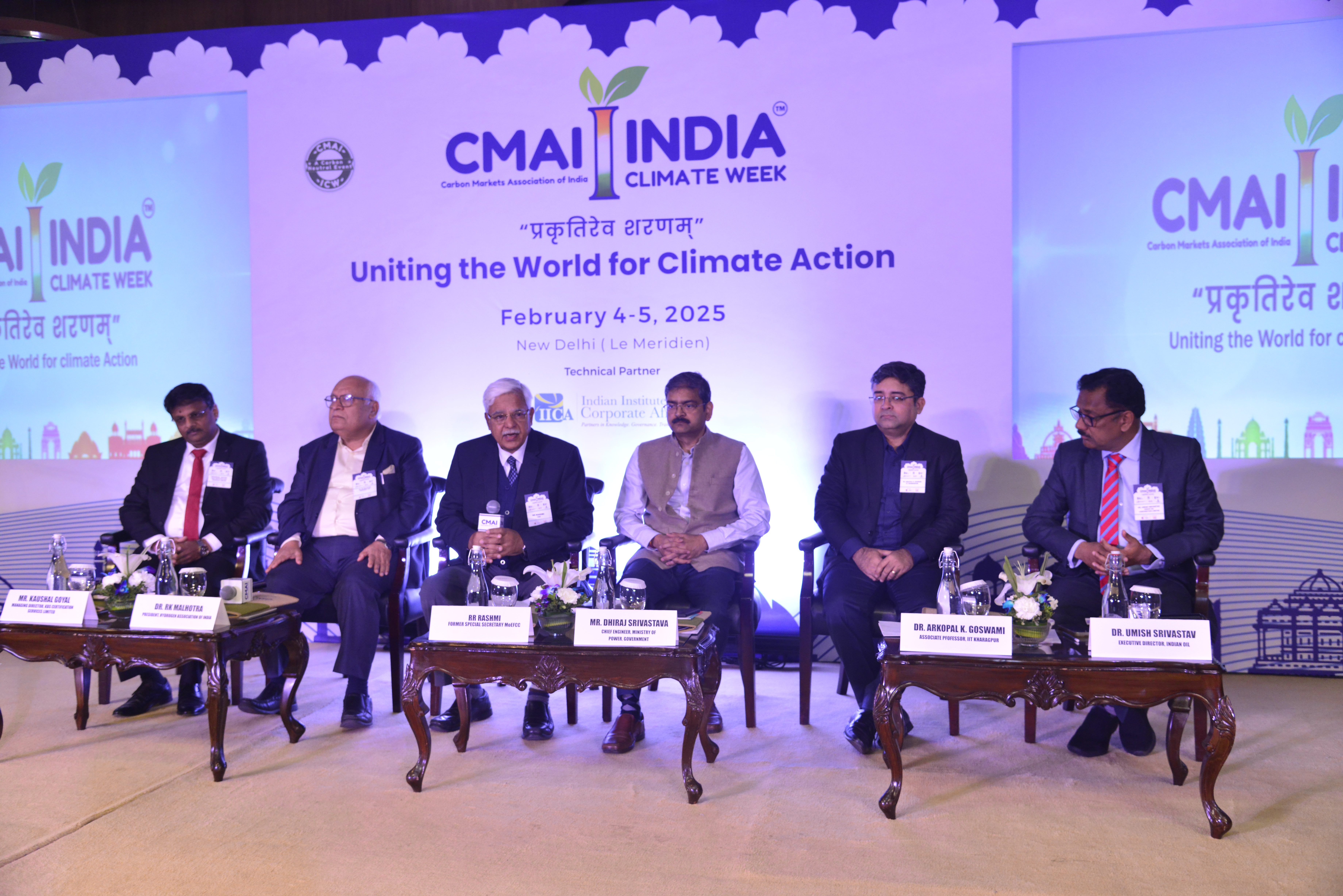
1 Panel Discussion on “Carbon Avoidance Solutions - Way Forward for Article 6 Technologies in India”
The panel addressed the role of carbon avoidance technologies, such as green hydrogen and other greenhouse gas (GHG) mitigation methods, under the Article 6 framework of the Paris Agreement. The focus was on policy mechanisms, industry challenges, and global market integration.
- Moderator: Mr. RR Rashmi, Former Special Secretary, Ministry of Environment & Climate Change, Government of India
-
Speakers:
- Mr. Dhiraj Srivastav, Chief Engineer, Ministry of Power, Government of India
- Dr. Umish Srivastav, Executive Director, Indian Oil
- Dr. RK Malhotra, President, Hydrogen Association of India
- Mr. Kaushal Goyal, Managing Director, KBS Certification Services Limited
- Dr. Arkopal K. Goswami, Associate Professor, IIT Kharagpur
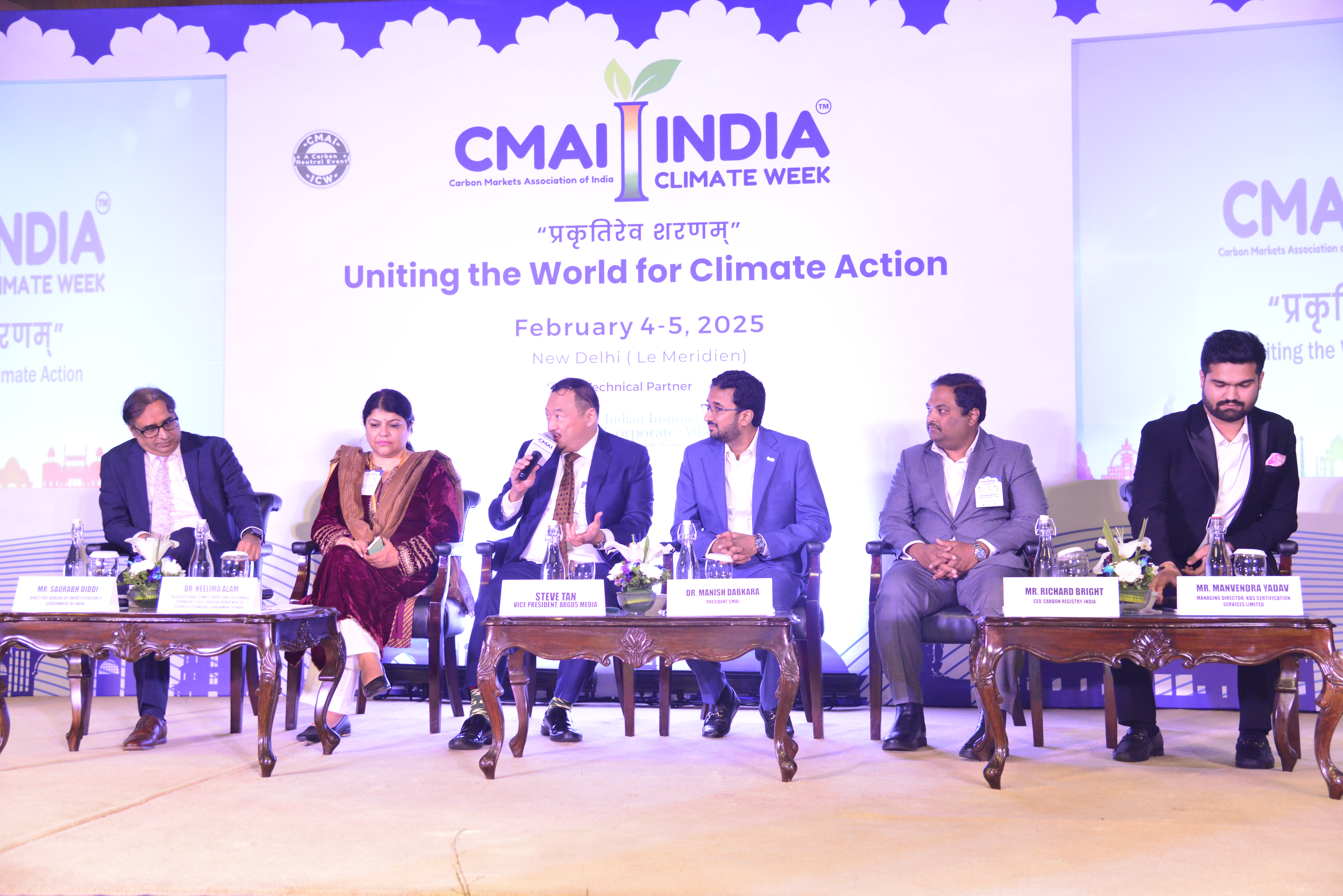
2. Panel Discussion on “Carbon Removal Solutions - Way Forward for Article 6 Technologies in India”
This panel focused on carbon removal technologies such as Carbon Capture, Utilization, and Storage (CCUS) and Direct Air Capture (DAC). Experts discussed their implementation in the Indian context and the necessity of policy support.
- Moderator: Mr. Steve Tan, Vice President (Business Development), Argus Media
-
Speakers:
- Mr. Saurabh Diddi, Director, Bureau of Energy Efficiency, Government of India
- Dr. Neelima Alam, Associate Head, Climate, Energy and Sustainable Technology (CEST) Division, Department of Science & Technology, Government of India
- Mr. Richard Bright, CEO, Carbon Registry – India
- Mr. Manvendra Yadav, Co-Founder and CEO, Hestiya
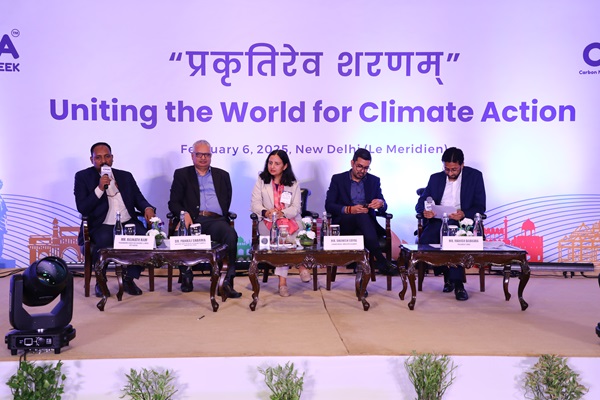
3. Panel Discussion on “How to Leverage Environmental Commodity Markets for India's Decarbonization Goals?”
The panel discussion highlighted the role of market mechanisms, such as carbon trading, plastic credits, Extended Producer Responsibility (EPR), and the Green Credit Program (GCP), in driving decarbonization, while also linking these efforts to Article 6 of the Paris Agreement.
- Moderator: Mr. Manish Dabkara, President, CMAI
-
Speakers:
- Mr. Rajnath Ram, Programme Director (Energy & NRM), NITI Aayog
- Dr. Pankaj Sharma, Additional Director (D&ES), Petroleum Planning & Analysis Cell (PPAC)
- Ms. Yeshika Malik, Climate Change Specialist, World Bank
- Mr. Dhanish Goyal, Chairperson, EPR Association
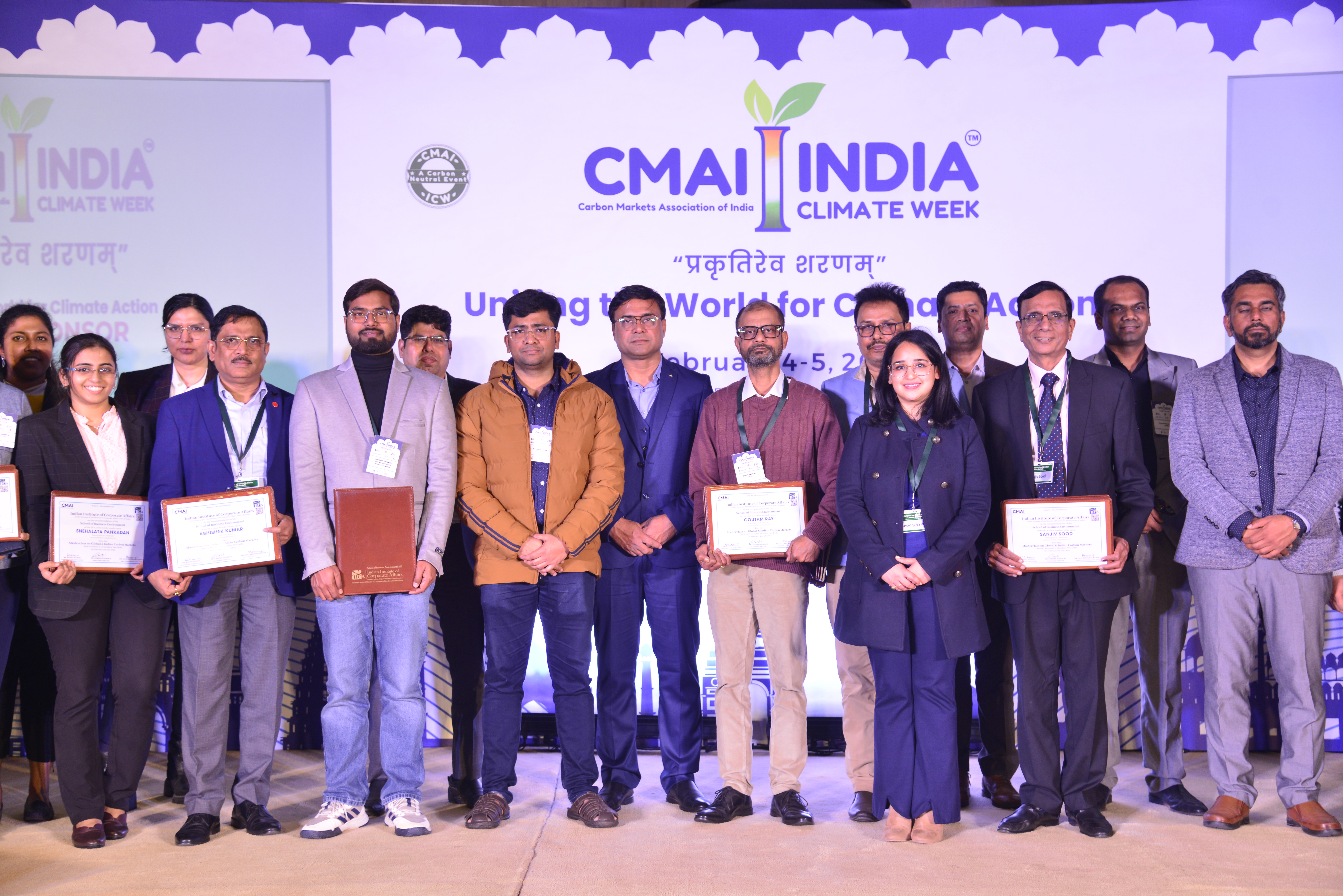
4. Masterclass on Global & Indian Carbon Markets by Indian Institute of Corporate Affairs
During the India Climate Week 2025, the Indian Institute of Corporate Affairs (IICA) in association with the CMAI hosted a two-day workshop focused on "Global & Indian Carbon Markets."
The workshop provided a comprehensive overview of both global and Indian carbon markets, highlighting the latest trends, regulatory developments, and the growing importance of carbon trading in reducing greenhouse gas emissions. Participants had the opportunity to explore practical strategies and frameworks that can facilitate the transition to a low-carbon economy in India and across the world. In addition to the workshop, CMAI and IICA signed an MOU to enhance India's carbon markets and support the country's decarbonization efforts.
Day 4 – Featured the session on Global Cooperation in Carbon Markets and the India Climate Samman
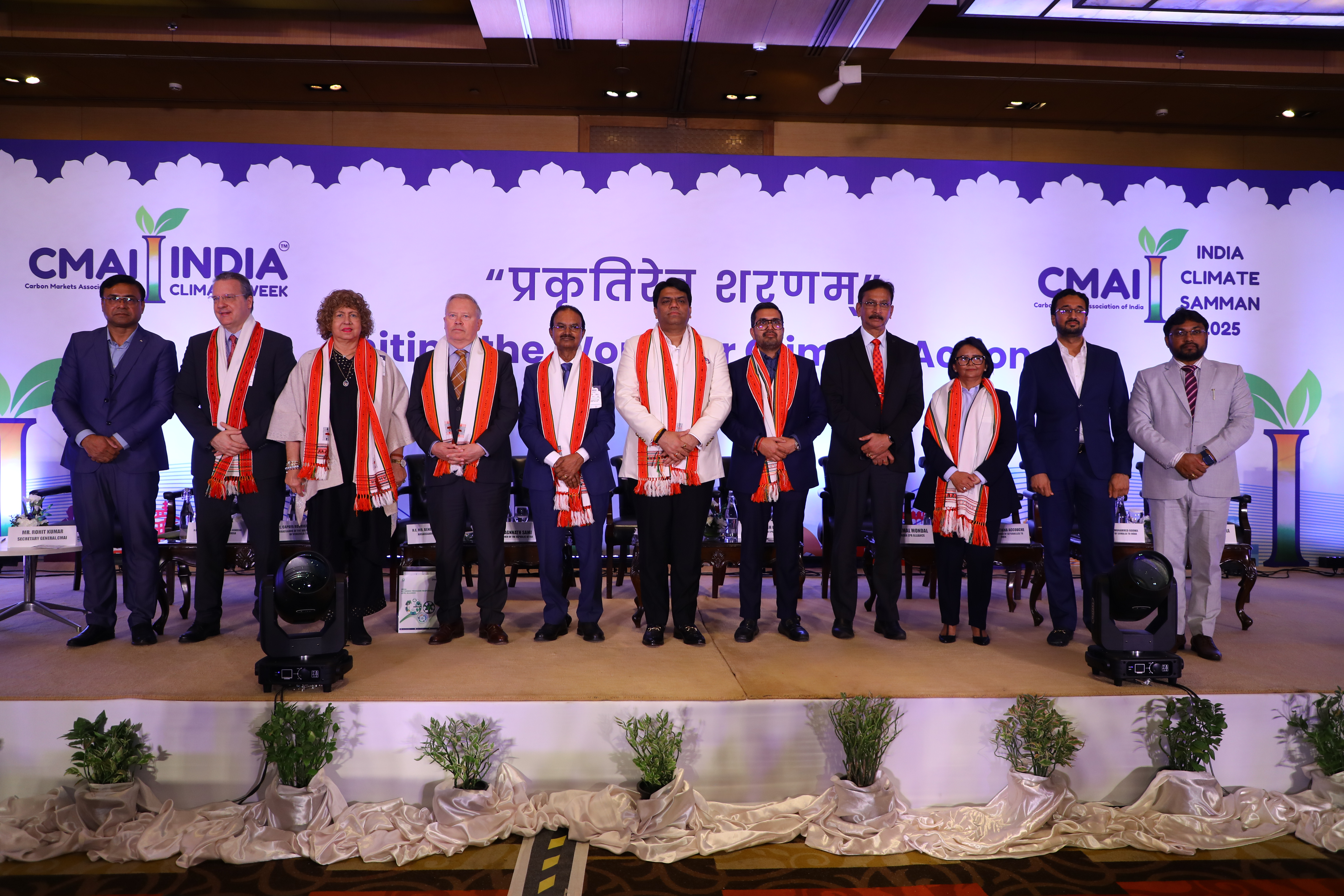
1. Global Cooperation in Carbon Markets
The Global Cooperation in Carbon Markets session held during India Climate Week 2025 was an axial moment in shaping the global dialogue on climate action and carbon finance. This high level session brought together representatives from 30 countries, along with diplomats, senior government officials, and global industry leaders, making it one of the most significant climate events after COP29.
Ambassadors and senior representatives from countries like Brazil, Seychelles, Iceland, Somalia, and Venezuela shared their perspectives on how global carbon markets can become a powerful tool for reducing emissions and driving economic growth.
2. India Climate Samman 2025
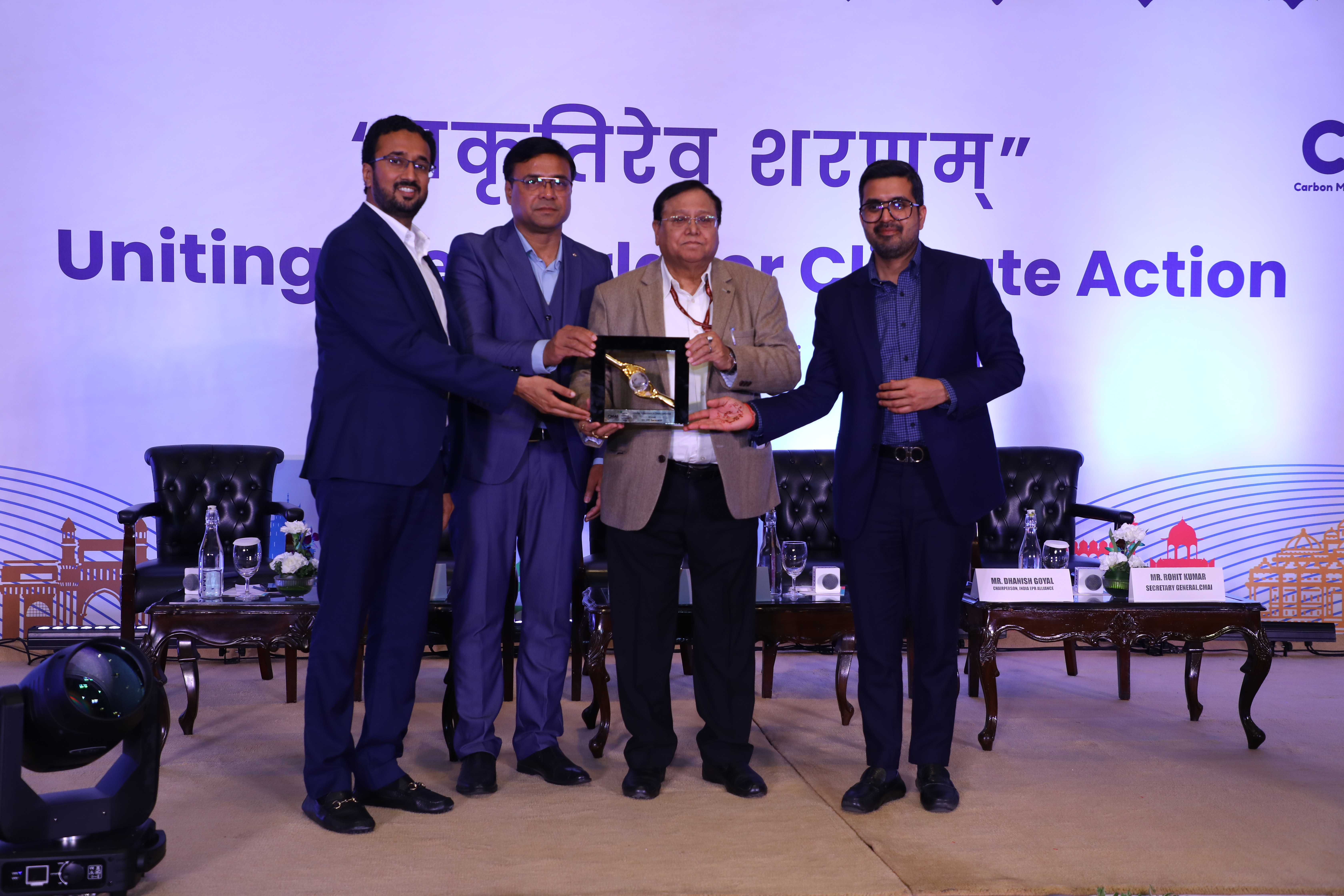
The India Climate Week ‘Samman’, a one-of-the-few of its kind initiatives to honour “प्रकृति संवर्धक” (Sustainers of Nature) was a part of India Climate Week. It recognized exceptional contributions to sustainable development and climate action.
As the first-of-its-kind accolade inspired by LiFE’s principles of mindful living and individual responsibility, the Samman provided a distinctive platform to celebrate individuals and organizations driving meaningful change. It was a unique opportunity to align with India’s climate leadership and gain recognition for the dedication of climate warriors to sustainability.
Glimpses of India Climate Samman 2025
Day 5 – The India Climate Week 2025 concluded with a site visit to explore the Article 6 technology – Green Hydrogen
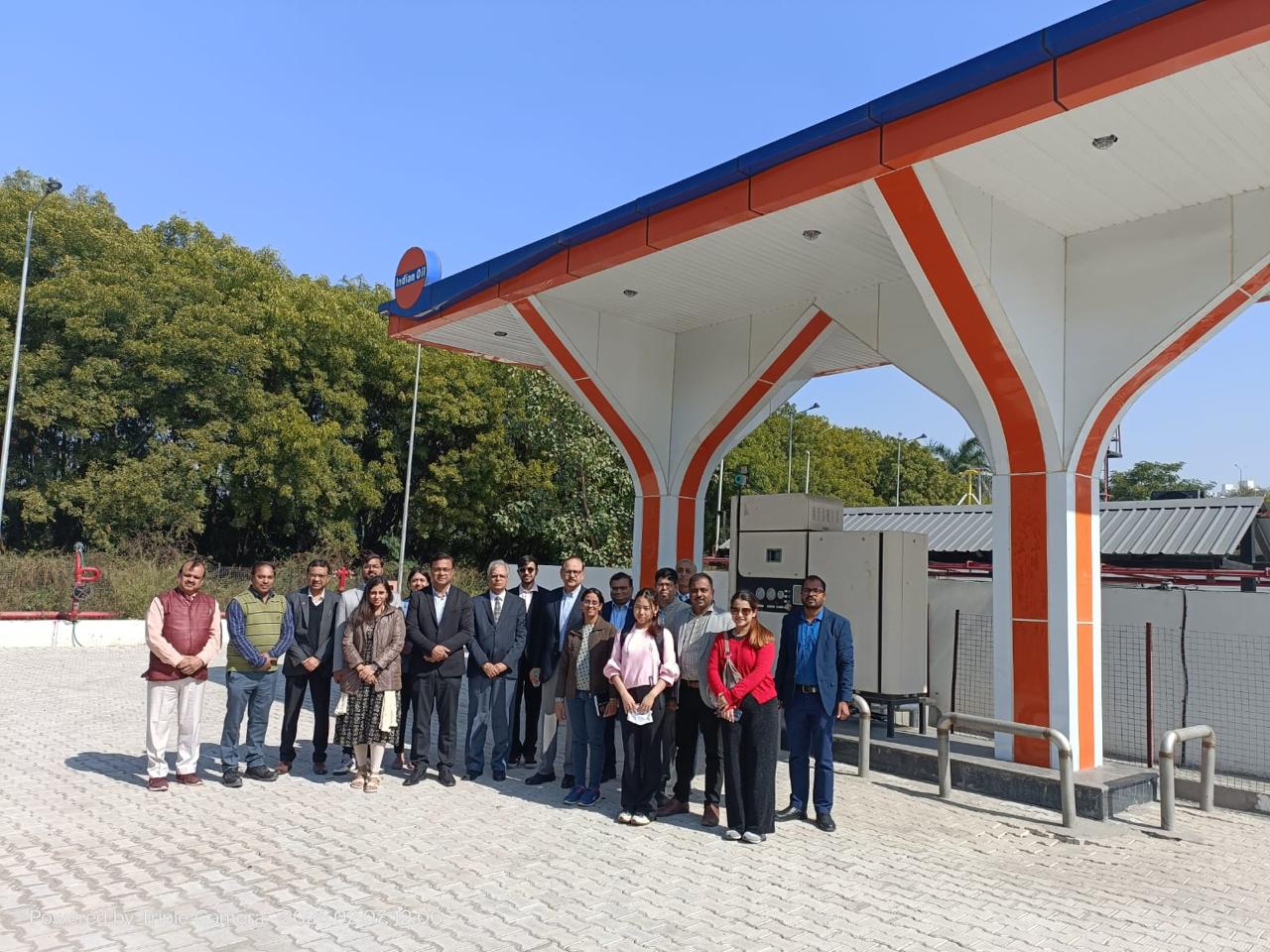
The final day of India Climate Week 2025 featured an in-depth exploration of Article 6 Technology, with a particular focus on Green Hydrogen as a key enabler of a low-carbon economy. This was showcased through a site visit to the Indian Oil R&D Centre. A standout moment of the visit was the unique experience of traveling to the centre in a Green Hydrogen Bus, offering delegates a firsthand demonstration of hydrogen-powered transportation.
Thanking our Association and Media Partners
ASSOCIATION PARTNER

MEDIA PARTNER